Private Jet Charter Confessions: Things First-Time Flyers Never Expect
Entering a private aviation terminal for the first time frequently induces a distinct sense of cognitive dissonance. Many individuals base their expectations of non-commercial flight on heavily stylized media depictions, imagining an environment defined by ostentatious sophistication, complex onboarding protocols, and rigid social codes. In reality, the true private flight experience surprises newcomers not with dramatic extravagance, but with complete lack of friction, quiet minimalism, and also functional simplicity. The operational mechanics of on-demand chartering are built around efficiency rather than performative spectacle. Let us pull back the curtain on the Private Aviation ecosystem and examine the specific operational realities that first-time passengers never seem to expect.
1. The Complete Absence of Terminal Waiting Times
The immediate psychological shock for a first-time charter passenger occurs before the aircraft even leaves the ground. Conditioned by years of navigating international commercial hubs, new flyers arrive at Fixed Base Operators. These are private terminals handling charter flights which are braced for long processing lines, baggage drops, and security screening sequences.
The reality of an FBO terminal on a streamlined, rapid check-in workflow. There are no executive departure halls, public ticketing counters, or automated boarding gate lines. Instead, passengers enter a quiet, professional lounge environment where a customer service agent verifies their identification credentials within minutes.
Ground Transition Efficiency: Public Hubs vs. Private FBOs
| Terminal Logistical Phase | Commercial Hub Processing | Private FBO Processing Flow |
|---|---|---|
| Arrival to Departure Buffer | Ninety to one hundred twenty minutes | Fifteen to twenty minutes total |
| Baggage Custody Chain | Automated conveyor belt sort systems | Direct hand-transfer to airframe hold |
| Security Credential Accreditation | Multi-stage public screening lines | Direct, discrete manifest confirmation |
| Boarding Transition Walk | Long terminal corridors and jet bridges | Direct vehicle-to-ramp aircraft boarding |
This rapid transition can feel disorienting to those accustomed to commercial delays. Arriving twenty minutes before your scheduled departure time is completely sufficient. Your luggage is allowing you to walk straight from the lounge to the aircraft steps without a single moment of unnecessary waiting. This elimination of ground latency completely frames your relationship with the airport, transforming an exhaustive process into a minor transitional step.
2. You Communicate Directly with the Flight Crew
In the commercial aviation sector, a deep structural separation exists between the passengers and the flight deck personnel. Captains and first officers remain isolated behind locked doors, communicating only through formal public address announcements during transit. In the private charter ecosystem, this barrier doesn’t exist.
When you arrive at the aircraft step, the captain and the first officer welcome you personally, assist with your seating placement, and also provide an interactive pre-flight briefing.
1.Personal Welcome and Manifest Check: Phase 1.
The aircraft captain greets you on the ramp, confirming passenger identity and checking safety documentation.
2.Interactive Weather and Route Briefing: Phase 2.
The flight crew shares real-time weather maps, outlining the flight path and detailing any expected turbulence zones.
3.Flexible Departure Confirmation: Phase 3.
The pilots confirm you are fully settled before requesting active runway clearance from air traffic control.
This direct communication changes the dynamic of your trip. If you prefer to alter your route mid-flight to avoid a localized weather front, or if you need to delay departure by thirty minutes because a corporate meeting ran over, you coordinate directly with the individuals flying the plane.
This collaborative relationship views passengers as partners in the flight plan, providing a peace of mind and flexibility that commercial options cant match. New flyers are often surprised by how accessible the crew remains, stripping away the faceless corporate wall of commercial travel networks.
3. Cabin Scale and Interior Volume Realities
First-time flyers often assume that every private charter aircraft features a massive, stand-up cabin layout with separate dining rooms and private sleeping quarters. This perception ignores the diverse categorization of the charter fleet, which spans from compact turboprops to ultra-long-range intercontinental business jets.
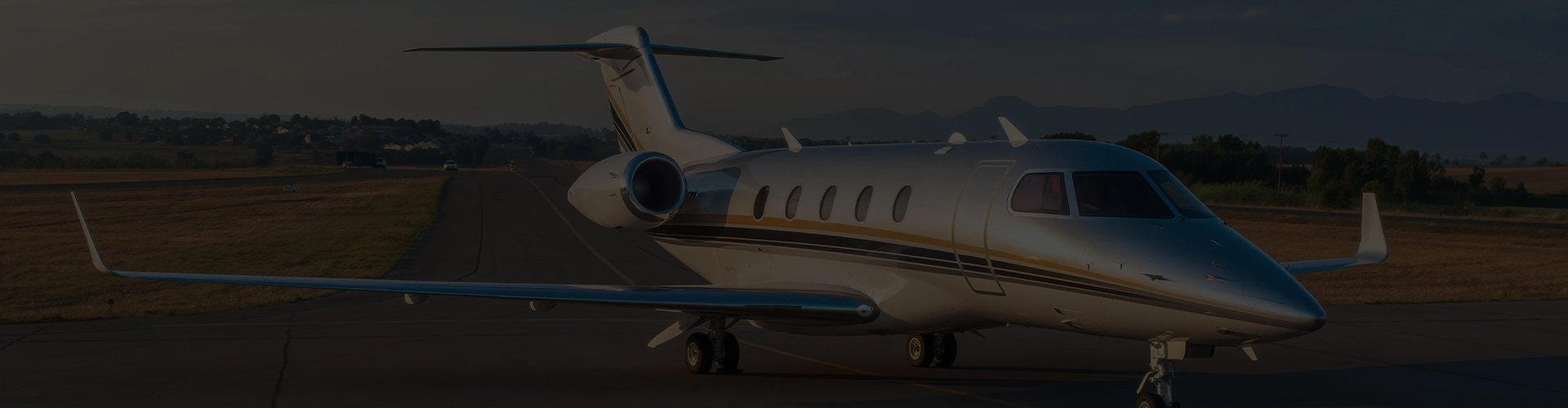
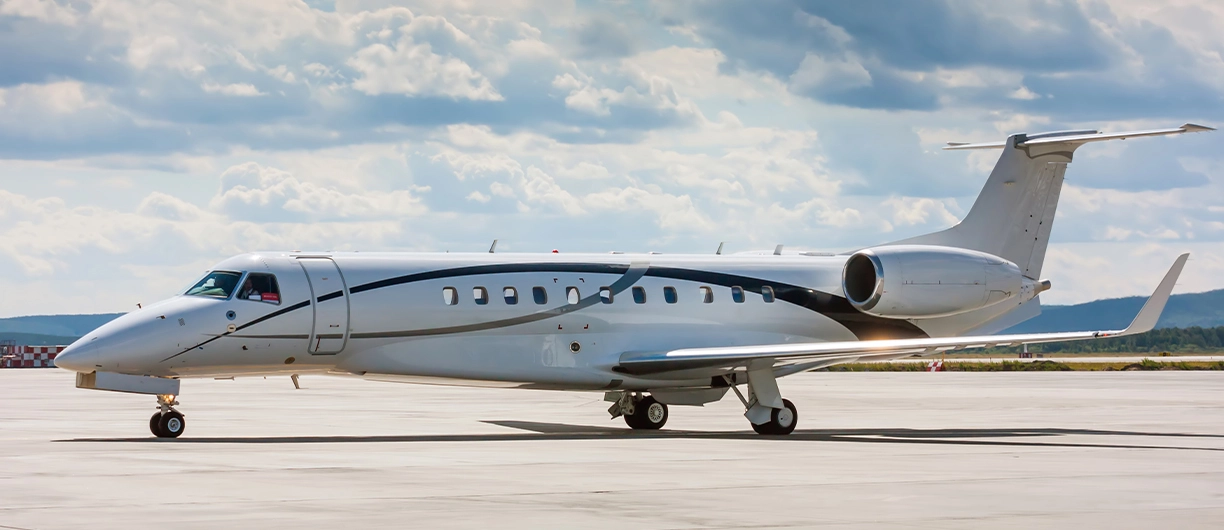
When stepping onto a light jet or midsize airframe for the first time, passengers are often surprised by the intimate, cozy scale of the interior cabin. While these cabins are masterfully engineered to maximize ergonomics, they require passengers to move mindfully when moving down the center aisle.
The Ergonomic Focus: Small and light jets prioritize seated comfort over vertical standing space. The interior layout centers on articulating club seats, fold-out work desks, and integrated charging hubs, creating an optimized workspace rather than an open lounge room.
Understanding this spatial reality helps you select the right airframe size for your specific trip. If your priority is moving a small team rapidly between regional fields, a light jet provides excellent efficiency. If your journey requires a full stand-up cabin and a private lavatory enclosure, upgrading to a super-midsize or heavy jet category ensures your comfort expectations are met right. First-time flyers quickly realize that layout utility matters much more than raw square footage.
4. The Simplicity of Dynamic Route Modifications
When booking a commercial airline ticket, your itinerary is locked into a rigid path. If an unexpected emergency requires you to divert an alternative city mid-trip, or if an afternoon project concludes early, modifying your commercial ticket involves navigating complex phone systems, paying substantial change fees, and hoping an open seat exists on a later flight.
First-time flyers are constantly surprised by the ease of making dynamic schedule modifications. Because you have leased the utilization of the entire airframe, the aircraft operates entirely on your timeline.
If a business meeting wraps up in three hours ahead of schedule, you simply notify your broker or flight crew. The pilots will immediately coordinate with local airfield management to adjust their slot allocation, file a revised flight plan with air traffic control, and prepare the cabin for an early departure.
5. Bypassing Public Customs Halls Completely
For those embarking on international charter flights for the first time, clearing immigration and customs borders provides a completely unexpected experience. New flyers brace themselves for the lengthy queues, chaotic processing rooms, and baggage inspection lines that typically define international commercial arrivals.
Private international arrivals use specialized customs protocols designed for rapid processing. When your charter jet lands at an international destination, the aircraft taxis directly to the private FBO terminal, where a dedicated customs officer handles border clearance quickly and quietly.
- Discrete Passport Control: In many jurisdictions, customs officials board the stationary aircraft to verify passports and passenger manifests directly within the cabin, allowing you to remain seated comfortably.
- Streamlined Baggage Inspection: If a physical luggage check is required, it takes place within the quiet environment of the private terminal lounge, completely separate from public crowds.
This decentralized border clearance process eliminates hours of transit friction. By removing the stress of crowded international arrival halls, private travel ensures your international transitions move forward seamlessly, allowing you to maintain focus on your primary organizational goals.
6. The Quiet Work Environment of the Airborne Boardroom
The final surprise for first-time buyers flyers is the exceptional quiet and lack of distraction inside the cabin during transit. Public transportation exposes passengers to constant ambient noise, public announcements, and close proximity to strangers, making sustained professional focus difficult.
A private charter cabin provides a secure, confidential environment where your team can work without any interruption. Along with that, the quiet interior allows for productive strategy sessions, detailed billing reviews, or relaxed rest, ensuring your arrive at your destination fully recharged.
Modern charter fleets incorporate advanced sound-dampening insulation and smooth-running engine profiles that keep interior noise levels remarkably low. Combined with high-speed satellite connectivity and adjustable workstations, the cabin functions as a fully equipped mobile headquarters.
7. Managing Ground Transport Coordination on the Tarmac
A final surprise that catches first-time private flyers off guard is the seamless transition between the aircraft and ground transportation right on the airport ramp. In the commercial world, arriving at your destination signifies the start of a lengthy exit process involving terminal corridors, baggage carousels, and distant car rental facility shuttles. In private aviation, many regional fields allow pre-arranged private vehicles to drive directly onto the secure tarmac, parking right next to the arriving airframe.